Login
Who We Are
Community Benefit
Care That Reaches Across Our Community
Our Impact to the Community
We know that health is shaped by far more than what happens in a doctor’s office or hospital. That’s why ChristianaCare puts our mission of caring for our neighbors into action by improving access to care, addressing social needs and investing in the long-term health of our communities.
We work with our neighbors to reduce barriers to care and create healthier, more equitable communities. Guided by our community health needs assessments, these efforts help improve health outcomes while promoting affordability and long‑term community well‑being.
Our community benefit work supports access to essential health services, strengthens community‑based organizations and tackles the upstream factors that influence health, from food insecurity to workforce shortages.
And our community benefit investments translate into real impact across Delaware.
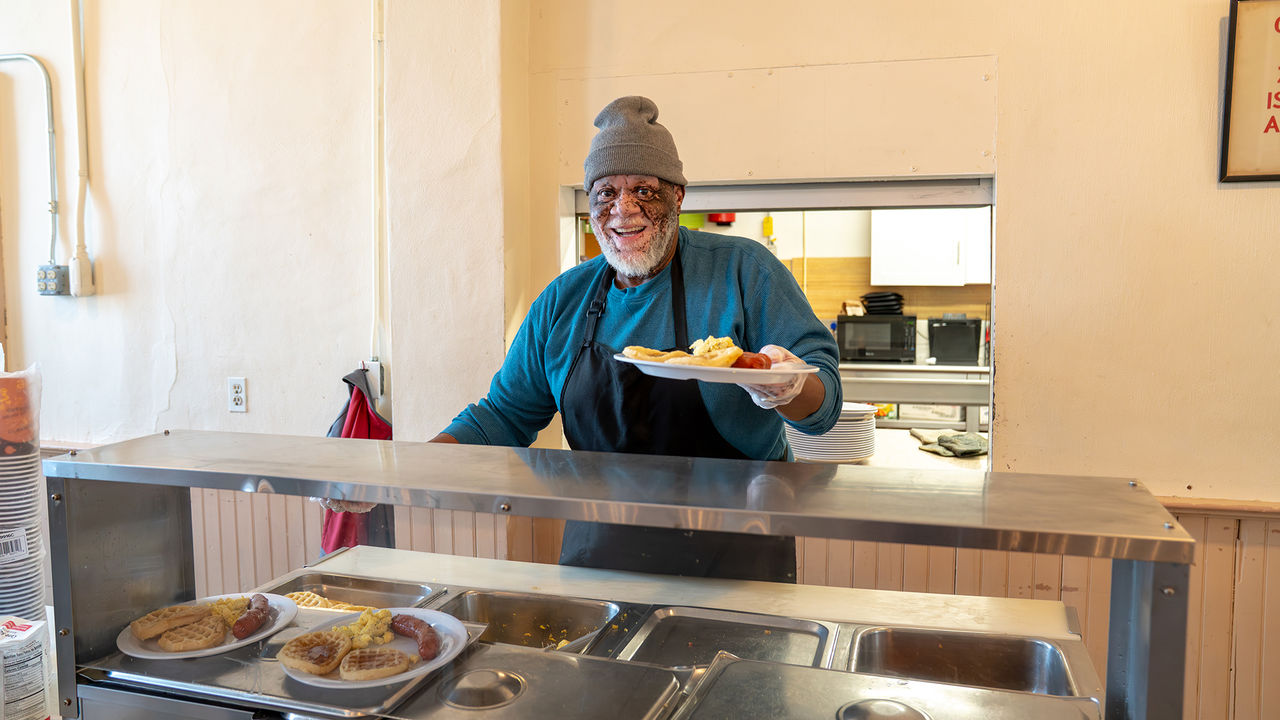 ChristianaCare supports the daily breakfast at the St. Patrick’s Center for people in Wilmington.
ChristianaCare’s 2025 Community Impact: $205,733,059
Highlights
- Financial assistance: The most generous program in the region, providing no-cost care to eligible households earning up to 400% of the federal poverty level
- Subsidized health services: Continued investment in maternal health, behavioral health and primary care—even when these services operate at a loss
- Education: Strengthening care across Delaware by training the next generation of providers, nurses and allied health professionals
- Research in action: Community-based research, like targeted breast cancer outreach in Wilmington, connects residents to screening, risk assessment and prevention.
Using Data to Guide Care
The Helen F. Graham Cancer Center & Research Institute identified an area in Wilmington with higher breast cancer incidence and mortality. As a result, we embedded a community health worker in this hotspot to increase screening, conduct breast cancer risk assessments and connect residents who are at higher risk with prevention programs. We also partnered with the Delaware Cancer Registry and the Delaware Cancer Consortium to replicate our hotspot analysis for the entire state.





FY2025 Community Benefit Report
- Community Assessment
- Addressing Needs
- By the Numbers
Every three years, ChristianaCare undertakes a comprehensive Community Health Needs Assessment (CHNA) to align our goals with community needs in New Castle County. We gather current statistics and qualitative feedback from our community partners and neighbors of the key health issues facing our community and residents.
Our most recent CHNA was completed in fiscal year 2025 and is available here. Visit here to see our other assessments dating back to 2013.
ChristianaCare’s 2025 CHNA identified the following as significant needs in our community:
Provider Access Challenges in New Castle County
Medically Underserved Areas
There are several census tracts that have been designated as medically underserved areas.
Medically underserved areas, designated by the federal Human Resources Services Administration (HRSA), are geographic locations and populations with too few primary care providers, high infant mortality, high poverty or a high older adult population.
In New Castle County, these areas are located near our Wilmington Campus and also in the northeast portion of the county.
Health Professional Shortage Area
HRSA can also designate a geographic area as a health profession shortage area if there is an identified shortage of primary medical care, dental care, or mental health care professionals.
The low-income populations of Wilmington, Stanton, and Newark have been designated as health professional shortage areas for primary care, dental health and mental health. Correctional centers and Federally Qualified Health Center locations in New Castle County have also been identified as health professional shortage areas.
More information about medically underserved areas, health professional shortage areas and access challenges can be found in our Community Health Needs Assessment.
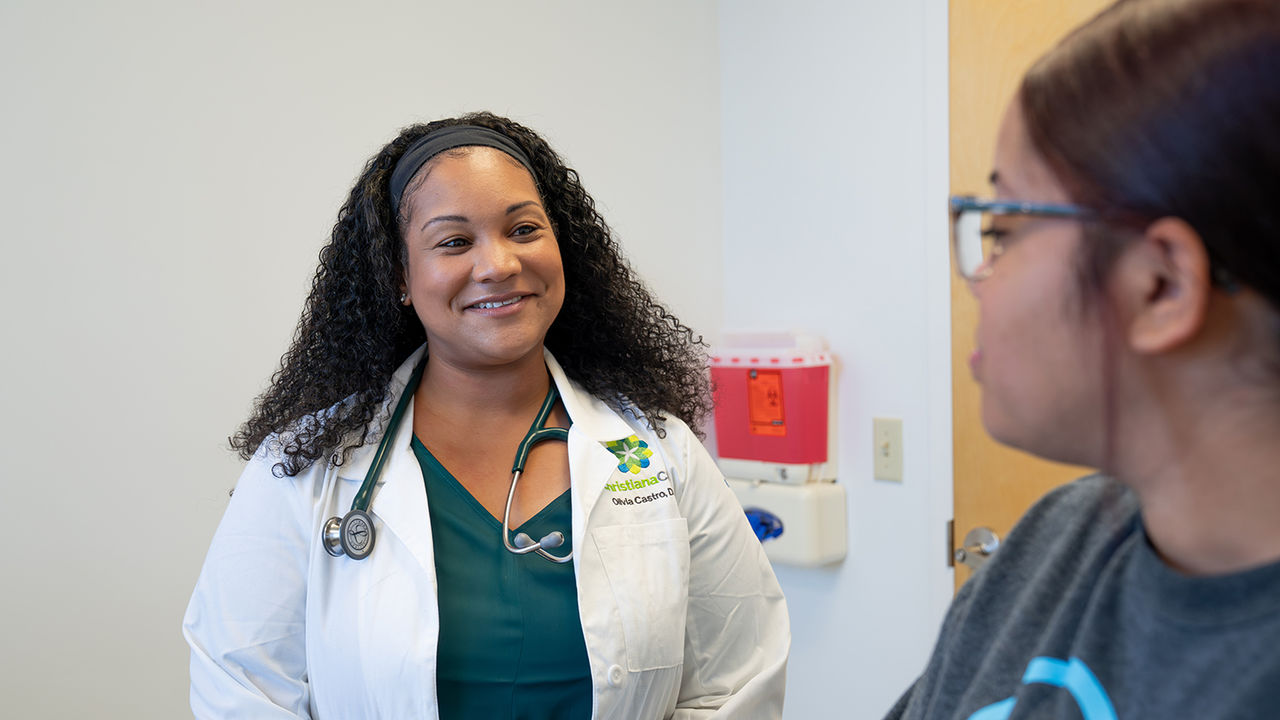 A patient speaks to a primary care provider in an examination room
ChristianaCare recognizes primary care is foundational to better health. We are investing in primary care because we know it helps people stay well, manage chronic conditions and prevent serious illness while also reducing long‑term health care costs for families and the community as a whole.
To make it easier for people to get the care they need, our primary care teams are introducing new options, including virtual visits and improved workflows, to reduce the administrative burden and allow clinicians to spend more time with patients.
These efforts are making a real difference.
In fiscal year 2025, our primary care practices expanded access to care:
- 16% more visits
- 30% increase in new patients
- 50 new clinicians joined our teams
ChristianaCare also brings care beyond traditional medical offices directly into neighborhoods that need it most. Through our 25 school‑based health centers, primary care services at the Hope Center and our mobile health van, we are meeting people where they are. The mobile health van provides comprehensive primary care and substance use disorder treatment at the Empowerment Center in Wilmington, with plans to expand to additional locations through partnerships with community organizations—helping ensure more neighbors can access care close to home.
Identifying and Addressing Health Gaps
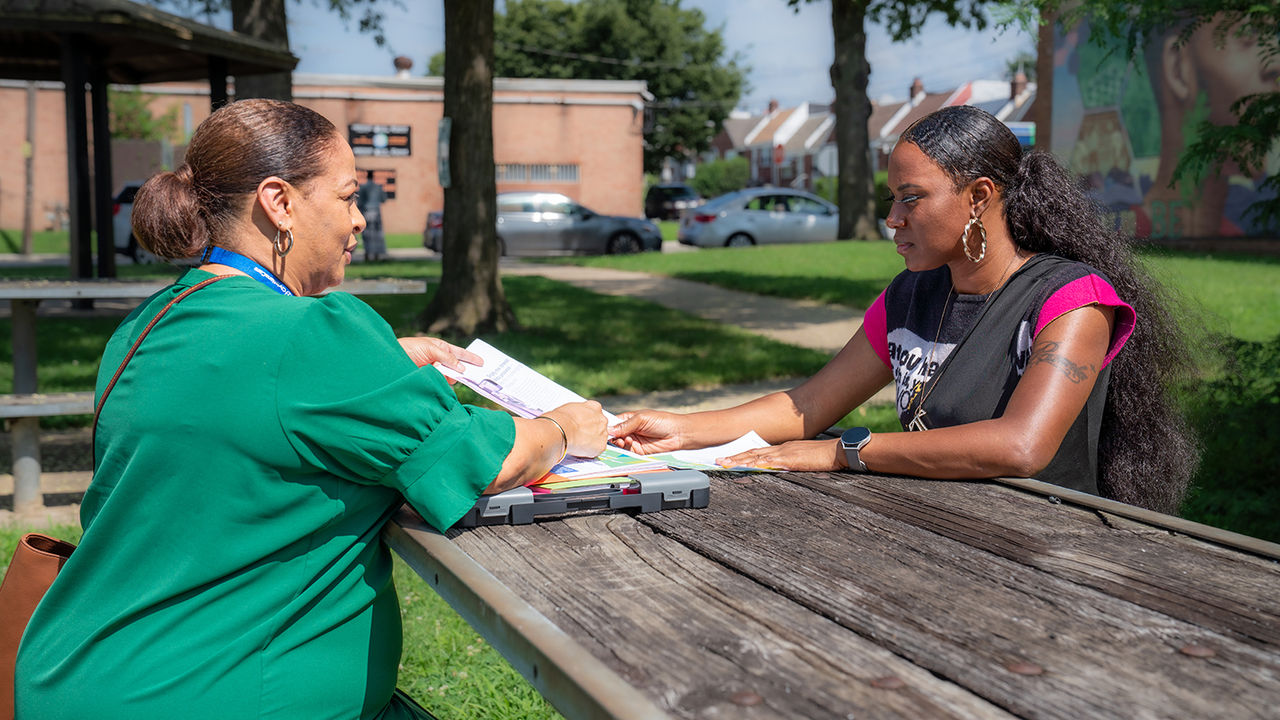 A ChristianaCare community health worker speaks with a patient at a picnic table
What we're doing
Hypertension
- Thrive Primary Care: Integrated primary care with specialty cardiovascular, kidney and metabolic support.
- Remote monitoring: Programs like Story Health help patients manage conditions from home.
Preeclampsia
- New care pathways and navigation programs to connect patients to prenatal care earlier.
- Efforts to improve adherence to aspirin therapy for prevention.
Surgical access
- Patient navigation: Support for individuals facing barriers such as insurance, housing, language or substance use disorder.
- Cultural navigation: Expanding access to bariatric surgery for Spanish-speaking patients.
Breast cancer
- Community health worker outreach in Wilmington’s Riverside neighborhood, identified as having high rates of triple-negative breast cancer and low rates of mammography.
- Improved data validation to provide the tools for better targeted outreach, monitoring and follow-up care.
- Risk assessments to identify patients who may need earlier screening because of higher risk of breast cancer.
Meeting the Needs of Our Community
Here are some of the programs ChristianaCare offered in fiscal year 2025 to address the significant community health needs identified in our 2025 CHNA. In addition to these programs, our subsidized health services, our focus on population health, and our financial assistance program also serve these areas of need.
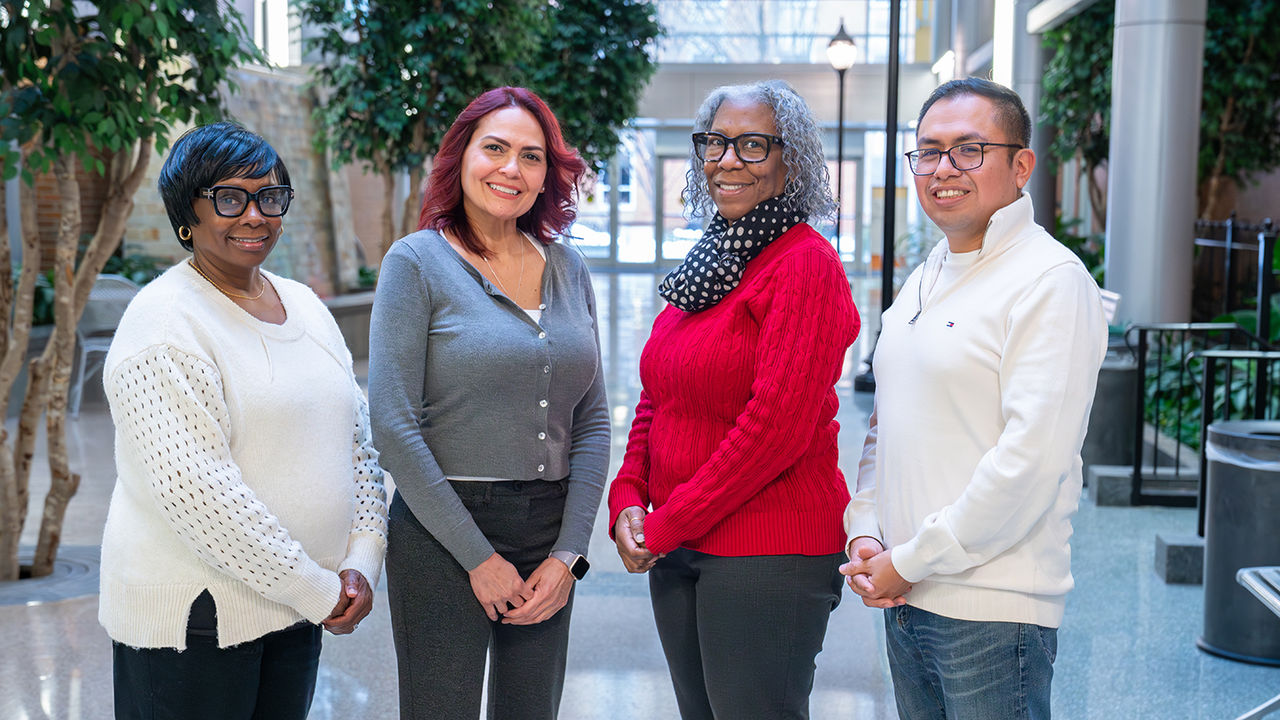 Our health guides provide free support to families to help them access resources and care.
Access to Health and Preventative Services
At ChristianaCare, we’re focused on making it easier for people to get the care they need by removing barriers to health and preventive services so they can access care when and where they need it. We work closely with community organizations to bring health and preventive services directly into neighborhoods and convenient locations. We also offer guidance and support to help individuals understand their options and connect with the right care, so they can move through the health system with confidence.
What we’re doing:
- Health Guides: Health care navigation support and connection to assistance to pay for health care costs
- Helen F. Graham Cancer Center Community Health Outreach & Education (CHOE): Cancer prevention and screening education and connection to screening resources
- Mobile health services - Comprehensive Primary Care and Substance Use Disorder treatment on wheels, embedded in high needs communities
- Medical Respite Beds, New Castle County Hope Center Partnership: 36 rooms in the Hope Center reserved for patients without stable housing to recover in a community setting
- Health Services at New Castle County Hope Center: On-site primary care
- School-Based Health Centers: Embedded health and preventive services at 25 schools throughout New Castle County
FY2025 Impact:
- More than 8,000 people at 159 community events received information and education about cancer prevention and screening
- 75 new patients were enrolled in the Medical Respite Program
- 13,516 students registered with an SBHC and completed 31,665 visits receiving a range of comprehensive services including:
- Physicals and preventive screenings
- Behavioral health support
- Immunizations
- Nutrition education
- Connections to social care resources
- Guided by community feedback and evaluation, mobile health services were offered solely at the Empowerment Center at increased hours, leading to dramatic increases in utilization.
New In FY2025: ChristianaCare began offering substance use disorder treatment services and embedded a peer at the Hope Center to support those with substance use disorder.
Reported cost of the programs in this area of need was $6,639,222.
Chronic Health Conditions
Many of our neighbors manage chronic conditions like diabetes and high blood pressure without reliable access to healthy food or support. ChristianaCare is helping to close that gap through our Food is Medicine programs, which connect nutritious food and personalized support to clinical care.
At ChristianaCare, Food is Medicine programs combine:
- Nutritious food access tailored to health needs
- Clinical support from care teams
- Education and coaching to build lasting habits
The result: better health outcomes, fewer barriers to care, and stronger support for patients and families.
What we’re doing
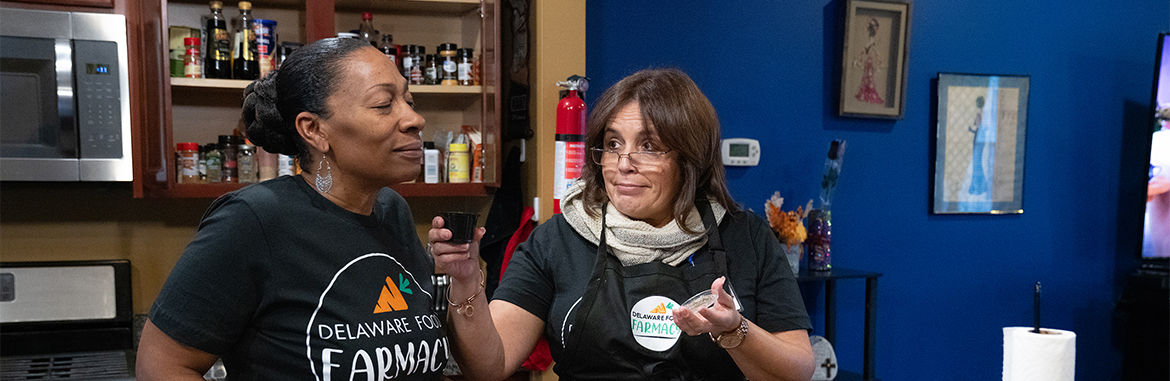
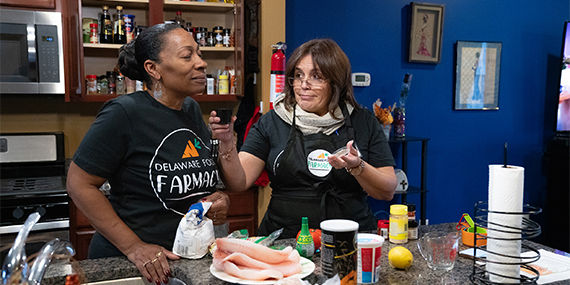
- Delaware Food Farmacy (DFF): Healthy food, nutrition education and ongoing support
- Healthy Food Prescription: Access to healthy foods through care teams
- Farm to Pharmacy: One-stop model combining food access and care
- Community Health Workers: Personalized support and resource navigation
FY2025 impact
- 440 community members received nutritious food
- Delaware Food Farmacy outcomes:
- 77% achieved their health goals
- Average BMI reduction of 2.17 kg
- Among diabetic patients, HbA1c reduced by 0.7
- Decrease in anxiety (55%) and depression (58%)
New in FY2025: Farm to Pharmacy pilot launched and continuing in 2026.
Reported cost of the programs in this area of need was $1,323,208.
Health Literacy
Understanding health information can make the difference between getting care and going without it. ChristianaCare is working to ensure all Delawareans can find, understand and use health information to make informed decisions through our support of the Health Literacy Council of Delaware (HLCD) chaired by ChristianaCare’s Patient & Family Health Education Director.
What we’re doing in partnership with the HLCD:
- Developing and providing training and education for caregivers and community partners
- Developing tools and resources to support clear communication
FY2025 impact
- Delivered training sessions including Teach Back and stakeholder panels
- Supported health systems in embedding health literacy into the State Health Improvement Plan and CHNAs
- Developed tools like the Cancer Screening Conversation Guide and outreach materials
Reported cost of the programs in this area of need was $13,695.
Maternal and Child Health
Every family deserves a healthy start. ChristianaCare supports pregnant and postpartum women—especially those at higher risk—by connecting them to care, resources and community support.
What we’re doing
- Home visiting community health worker program: Support for families with young children in high-risk communities
- Healthy Beginnings Program: Supports women with preconception, prenatal, and postpartum care
- Women’s Health Food Farmacy: Nutrition support during pregnancy and postpartum
- Women’s health community health worker program: Personalized guidance throughout pregnancy and beyond
FY2025 impact
- 36 community outreach events and 333 essential baby items distributed by our Home Visiting CHWs
- Women’s Health Food Farmacy Outcomes: preliminary findings of a randomized control trial show meaningful improvements in maternal and infant outcomes when compared with the control group, including:
- 61% lower relative risk of preterm birth
- 48% lower relative risk of preeclampsia
- 63% lower relative risk of multiple complications
- 47 patients graduated from the Women’s Health CHW program
Reported cost of the programs in this area of need was $665,411.
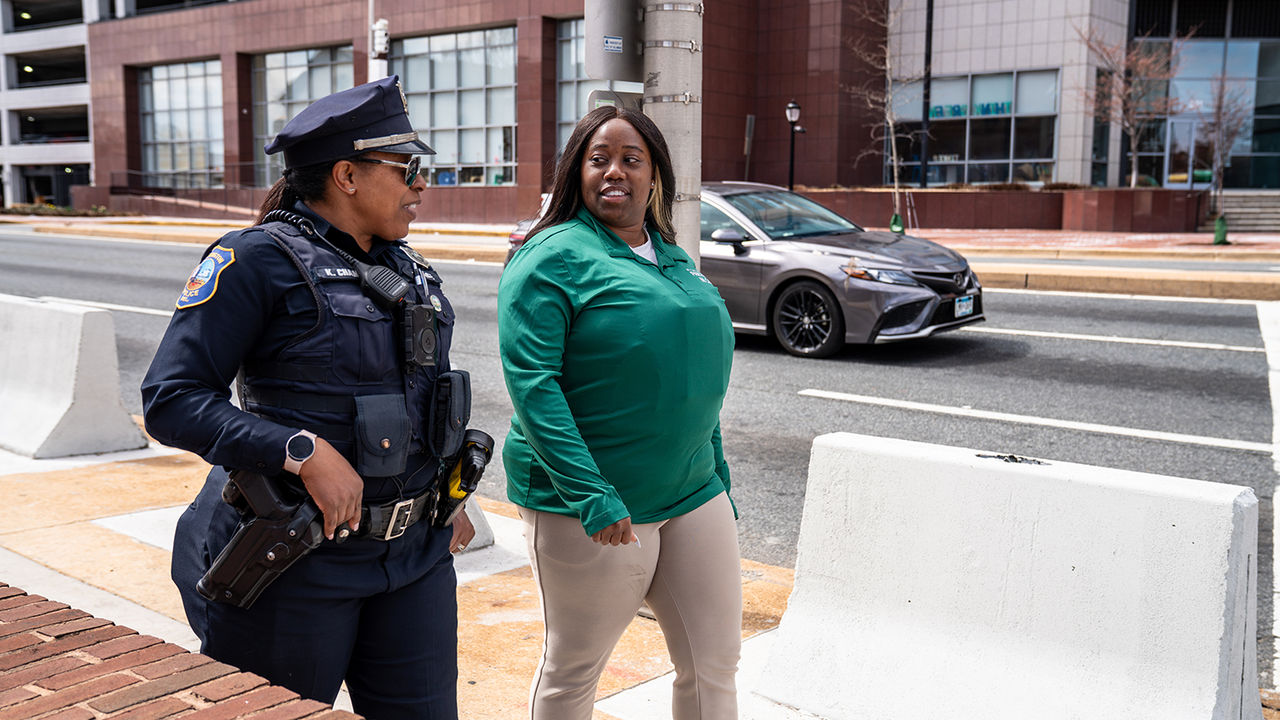 A ChristianaCare community health worker walks a street in Wilmington with a uniformed police officer
Mental Health and Substance Use Disorders
Access to mental health and substance use care can change lives. Through partnerships, peer support, and targeted programs, ChristianaCare is expanding access and helping people take that critical first step—or stay on their path to recovery.
What we’re doing
- Behavioral health community health worker program: Social needs support and care navigation
- Project Engage: Peer support for patients with substance use disorder
- Police partnerships: Co-responder programs connecting individuals to care instead of the justice system
FY2025 impact
- 166 patients supported through the Behavioral Health community health worker program
- Resource closet launched to provide clothing and hygiene items for behavioral health patients
- Project Engage:
- 3,698 patient engagements
- 2,740 referrals to treatment
New in FY2025: Partnership with Newark Police Department launched
Reported cost of the programs in this area of need was $2,220,067.
Social Drivers of Health
Health is shaped by more than medical care. ChristianaCare screens patients for social drivers of health, or social needs, to better understand our patients’ challenges and provide needed support. ChristianaCare offers programs to address challenges like transportation, housing and financial barriers so people can access the care they need.
What we’re doing
- Social Care Connection Center: Screening and connection to resources
- Transportation Support: Rides to and from medical appointments
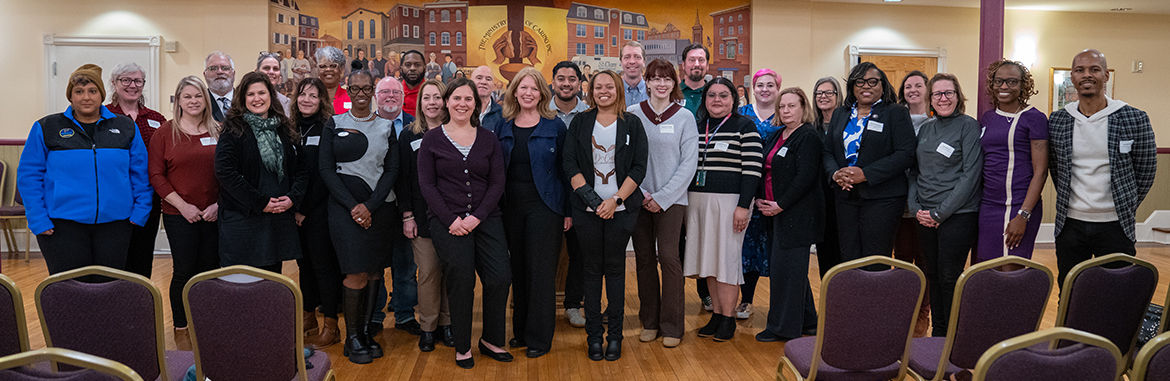
- Community Investment Fund: Funding for local organizations to support their efforts addressing significant community health needs
- Partnerships: Legal aid, housing support and home repair programs
FY2025 impact
- 8,404 rides to receive medical services provided to 1,861 patients
- Screening:
- 32,492 primary care patients (25% had a social need)
- 11,907 inpatients (29% had a social need)
- $1.6M+ invested in 25 community organizations through the Community investment Fund
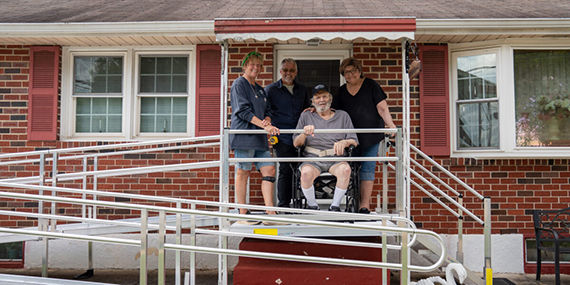
- 57 home repairs completed for seniors and adults with disabilities in partnership with Good Neighbors Home Repair and Habitat for Humanity of New Castle County.
- 179 primary care patients received legal support across 216 civil legal hardship cases through the Medical Legal Partnership with the Community Legal Aid Society, Inc.
New in FY2025: Developed a transportation support program for post-surgery care that enabled 94 patients to receive needed procedures
Reported cost of the programs in this area of need was $6,365,121.
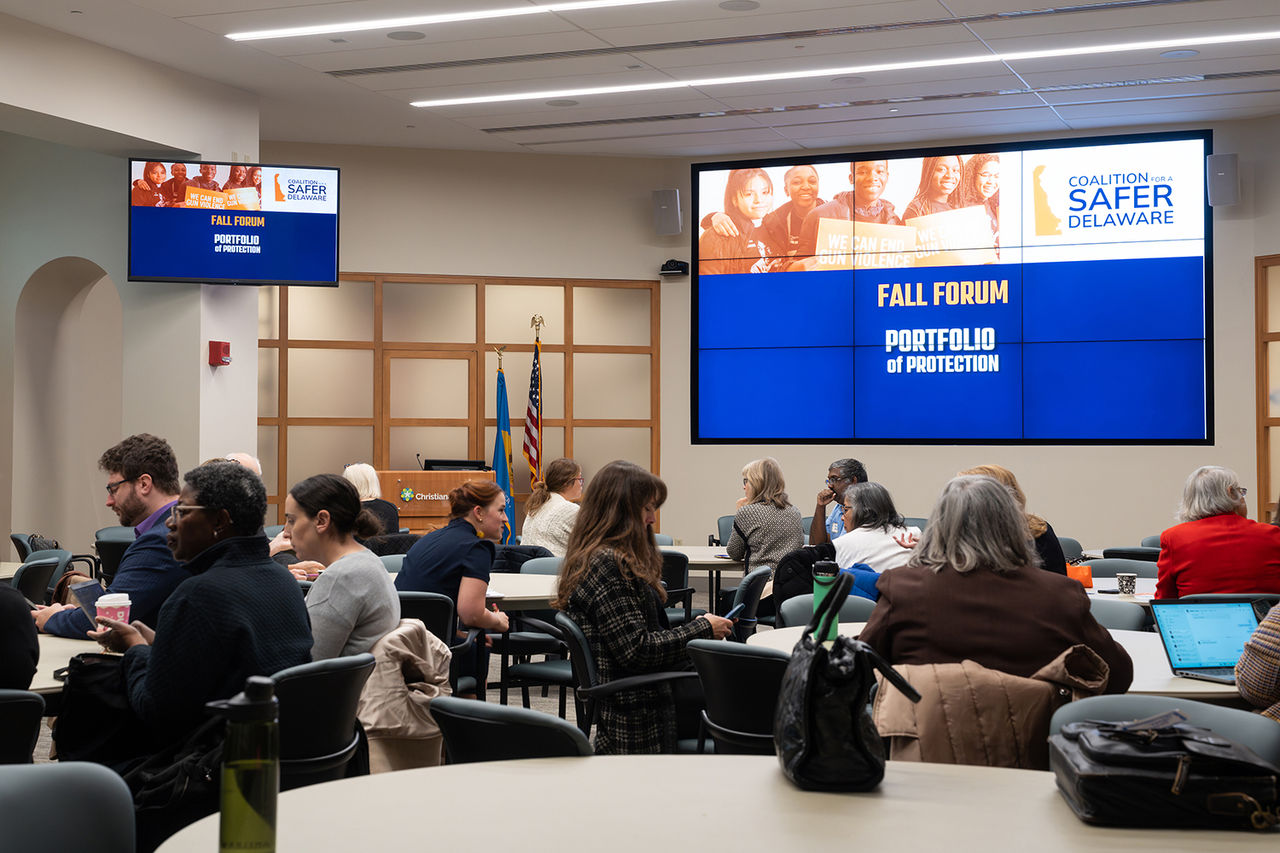 Attendees at the Fall Forum of a Coalition for a Safer Delaware sit around round tables
Violent Crime
Violence is a public health issue that affects individuals, families and communities. ChristianaCare partners with community organizations to support survivors and prevent future harm.
What we’re doing
- Hospital-Based Violence Intervention Program (HVIP): Support for patients recovering from violent injury
- Education and Advocacy: Community training and partnerships to prevent and respond to violence
FY2025 impact
- 73 patients supported through HVIP
- Connected HVIP participants to primary care, specialty services, and transportation
- Continued to partner with Nemours Children’s Health to enroll their eligible patients in our HVIP
- Stop the Bleed:
- 52 trainings
- 1,305 community members trained
- Hosted statewide forum on gun violence and public health
- $100,000 investment supporting a domestic violence community health worker program
Reported cost of the programs in this area of need was $300,836.
By the Numbers
ChristianaCare’s total fiscal year 2025 community benefit expenditure, not including unreimbursed Medicaid or Medicare, was $195,080,929.
The total amount of uncompensated care, including financial assistance, Medicaid shortfall, Medicare shortfall, and bad debt, was $198,255,073.
Refer to our FY 25 Community Impact to see community benefit costs.
In FY2025, ChristianaCare provided $1,626,128 in community benefit and community building funding to community-based organizations to support their efforts addressing community need. *ChristianaCare accounting is done on an accrual basis. Our donations reflect this accounting method.
Community Organizations Provided Funding in FY2025
AIDS Delaware, Inc.: $33,333
Black Mothers in Power: $47,123
Boys & Girls Club of Delaware: $50,000
Charter School of Wilmington: $50,000
Children & Families First: $50,000
Cecil County Department of Emergency Services: $75,000
Claymont Community Center: $50,000
Community Health Workers Association of Delaware: $26,500
Community Volunteers in Medicine: $21,600
Delaware Business Roundtable Education Committee: $20,000
Delaware Center for Horticulture: $50,000
Delaware Coalition Against Domestic Violence: $100,000
Delaware Futures: $50,000
Delaware Interfaith Power & Light: $14,700
Delaware Nature Society: $35,713
Do Care Doula Foundation: $50,000
Greater Lewes Foundation: $15,000
HBCU Week Foundation, Inc.: $122,625
Healthy Food for Healthy Kids, Inc.: $49,143
Impact Life, Inc.: $10,000
Jefferson Street Center: $21,333
Latin American Community Center: $50,000
Milford Housing Development Corporation: $50,000
Ministry of Caring: $44,667
ONCOR Coalition: $50,000
Our Daily Bread Dining Room of MOT: $17,667
Project New Start, Inc.: $50,000
Ray of Hope Mission Center: $41,816
St. Patrick’s Center, Inc.: $50,000
The Resurrection Center: $18,575
Voices of Hope: $33,000
West End Neighborhood House: $43,333
West Side Family Healthcare: $50,000
Wilmington Alliance, Inc.: $60,000
Wilmington HOPE Commission: $50,000
YMCA of Delaware: $75,000
Related Content