Login
Digestive Health
Colonoscopy
Screening that can prevent colorectal cancer

Screening That Can Prevent Colorectal Cancer
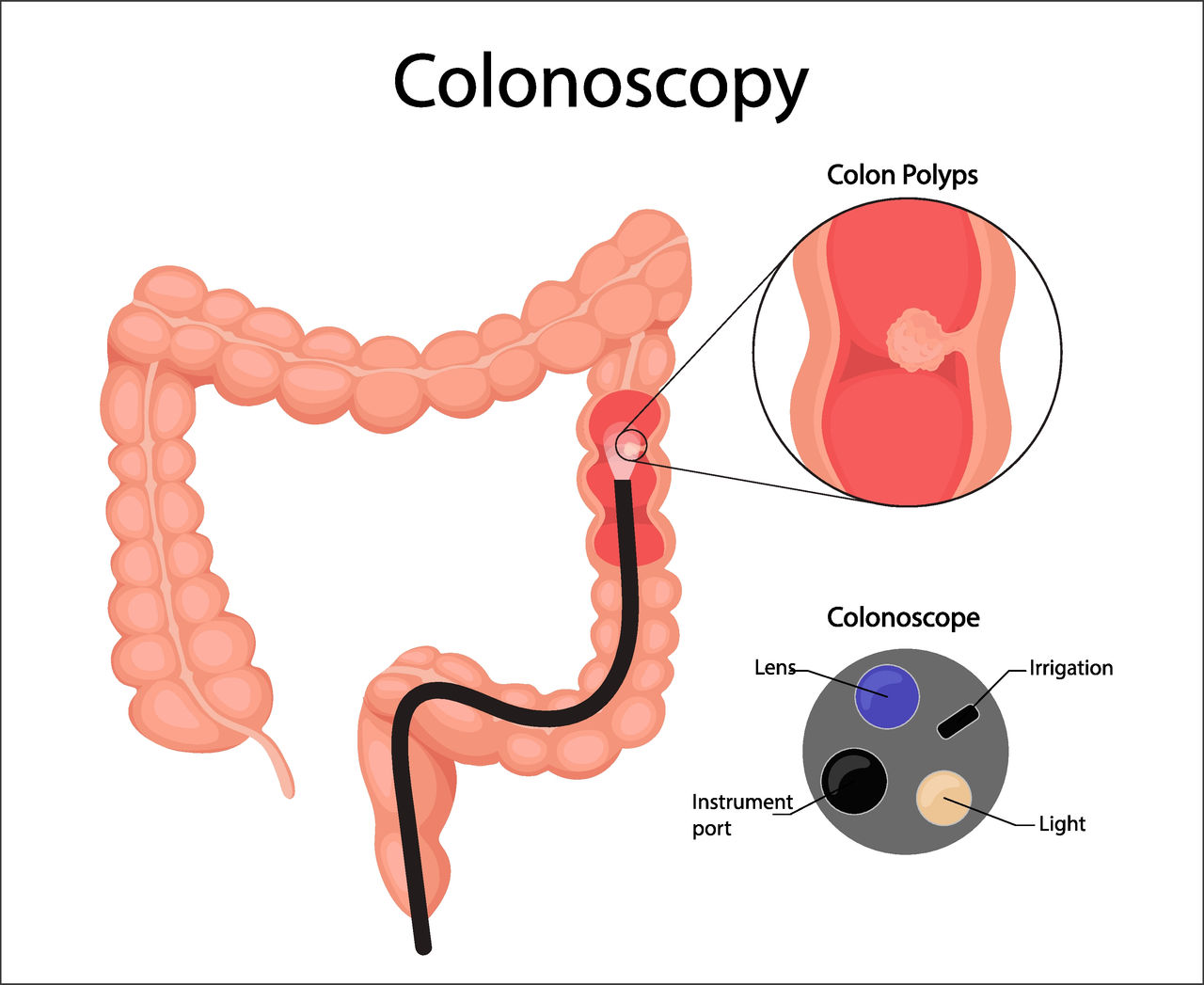
Why Colonoscopy Screening Matters
Colorectal cancer screening is now recommended beginning at age 45 for many people. In recent years, doctors have seen an increase in colorectal cancer and colorectal disease among younger adults, often in people with no symptoms. A colonoscopy can help detect concerns early, identify abnormal growths called polyps before they become cancerous, and help determine the cause of ongoing digestive symptoms.
A colonoscopy may also help determine the cause of:
- Abdominal or belly pain.
- Rectal bleeding.
- Chronic diarrhea or constipation.
- Changes in bowel habits.
- Other digestive symptoms.
Preventive colonoscopy screening plays an important role in protecting your long-term digestive health.
Don’t wait for symptoms. Call 610-619-7475 today to schedule your colonoscopy.
Screening Options
Patients with a referral from a primary care provider may be able to schedule a colonoscopy with our gastroenterology team. Your provider may refer you for a routine colonoscopy if you meet any of the following criteria:
- You are 45 years old or older.
- Your previous colonoscopy showed polyps or other growths.
- You have a chronic condition that affects your colon.
- Colon cancer runs in your family, or you have a genetic risk for it.
Schedule your colonoscopy screening: 610-619-7475
Some patients may benefit from a consultation with one of our gastroenterologists before scheduling their colonoscopies, especially if they are experiencing digestive symptoms or ongoing gastrointestinal concerns.
A consultation enables one of our gastroenterologist specialists to review your symptoms and medical history and recommend next steps for your care.
Schedule a colonoscopy consultation: 610-619-7475
If you’re due for a screening colonoscopy and feeling well, you may be able to schedule your exam without first seeing a gastroenterologist. Our Direct Access Colonoscopy program is designed to make preventing screening simpler, faster and more convenient.
Learn more and see if you qualify for Direct Access Colonoscopy.
There are no ChristianaCare services in your selected area.
Displaying 2 out of 2 ChristianaCare locations
Displaying {0} out of {1} ChristianaCare locations
Related Content

Discover Patient Stories and ChristianaCare News related to Surgical Care.