Anxiety Is Scary. The Help You Need Is Here.
Simple strategies for managing anxiety and caring for your whole self.

Simple strategies for managing anxiety and caring for your whole self.

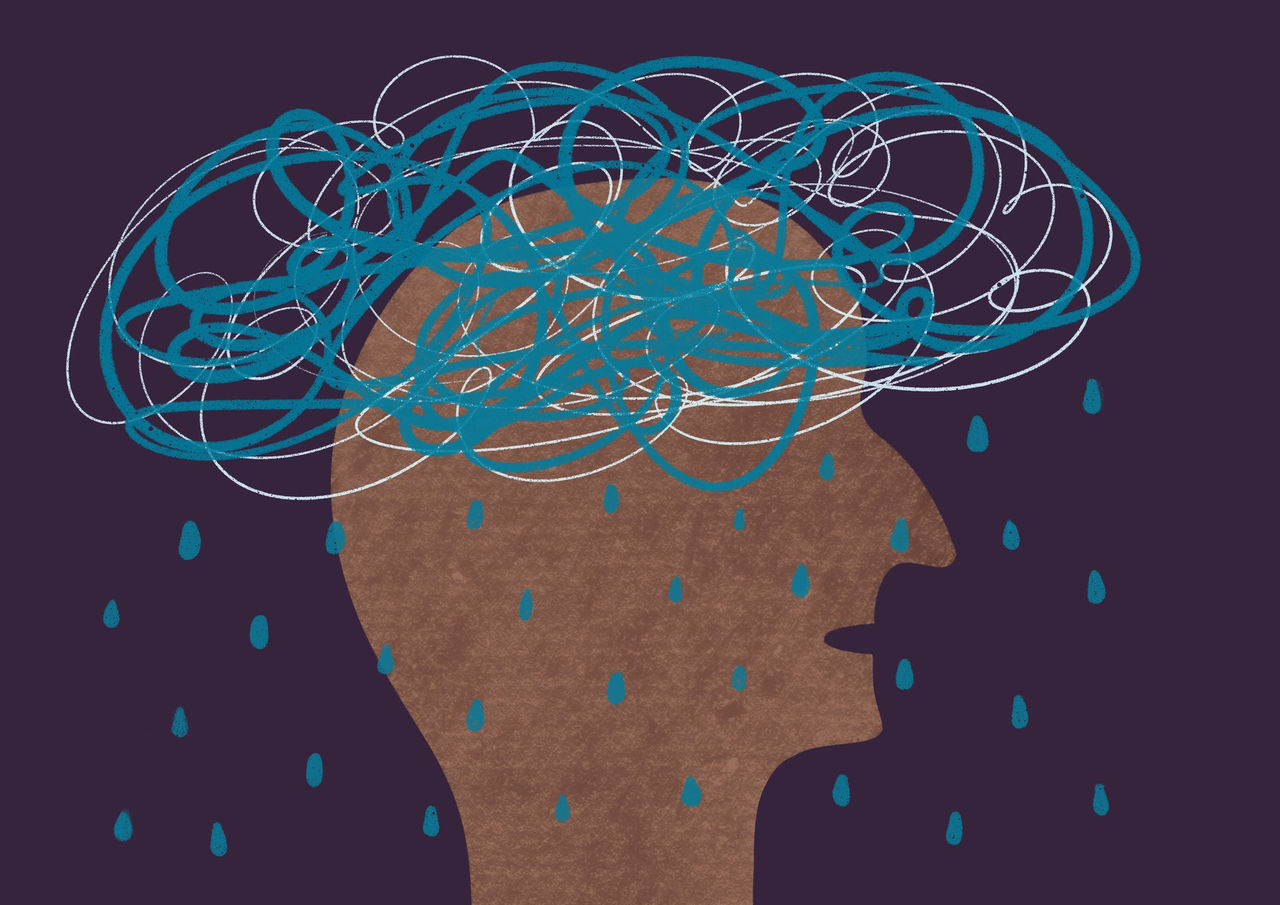
Most of us experience stressful periods in life, and a certain level of worry or nervousness in those harder moments is completely normal. But when feelings of worry become so strong that they interfere with day-to-day functioning or causes persistent distress, that’s a sign you may have anxiety—and it may be time to seek professional support.
Many people begin their anxiety treatment journeys by talking to their primary care provider about medication, and in some cases, medication can be the right step. Whether or not you treat your anxiety with medication, learning effective skills to manage anxiety will help you in the long term. Medication is just one tool—and the more tools we have in our toolbox, the better our chances of finding real, lasting relief from worry and stress.
Below, you’ll find a few helpful tools to manage anxiety, whether by themselves or alongside care prescribed by a behavioral healthcare provider. But first, let’s consider the three main areas that are often affected by anxiety in our daily lives.
We all face daily challenges in our lives that can contribute to anxiety. These can include struggles at work or home or problems managing our emotions, finances, relationships, or health. Anxiety makes these challenges feel harder to manage. Excessive worrying can cause you to fixate on otherwise-normal problems in your life, leaving you feeling stuck or out of control.
Think of wellbeing as a three-legged stool and anxiety as a persistent imbalance. If one leg weakens, the whole structure becomes unstable. The three main areas of wellbeing include:
Anxiety can shift your feeling of stability, creating an outsized feeling of worry or panic by focusing too much on a problem in your life. If you’re not tending to these three “legs” of your wellbeing, anxiety can creep in and become an even larger problem.
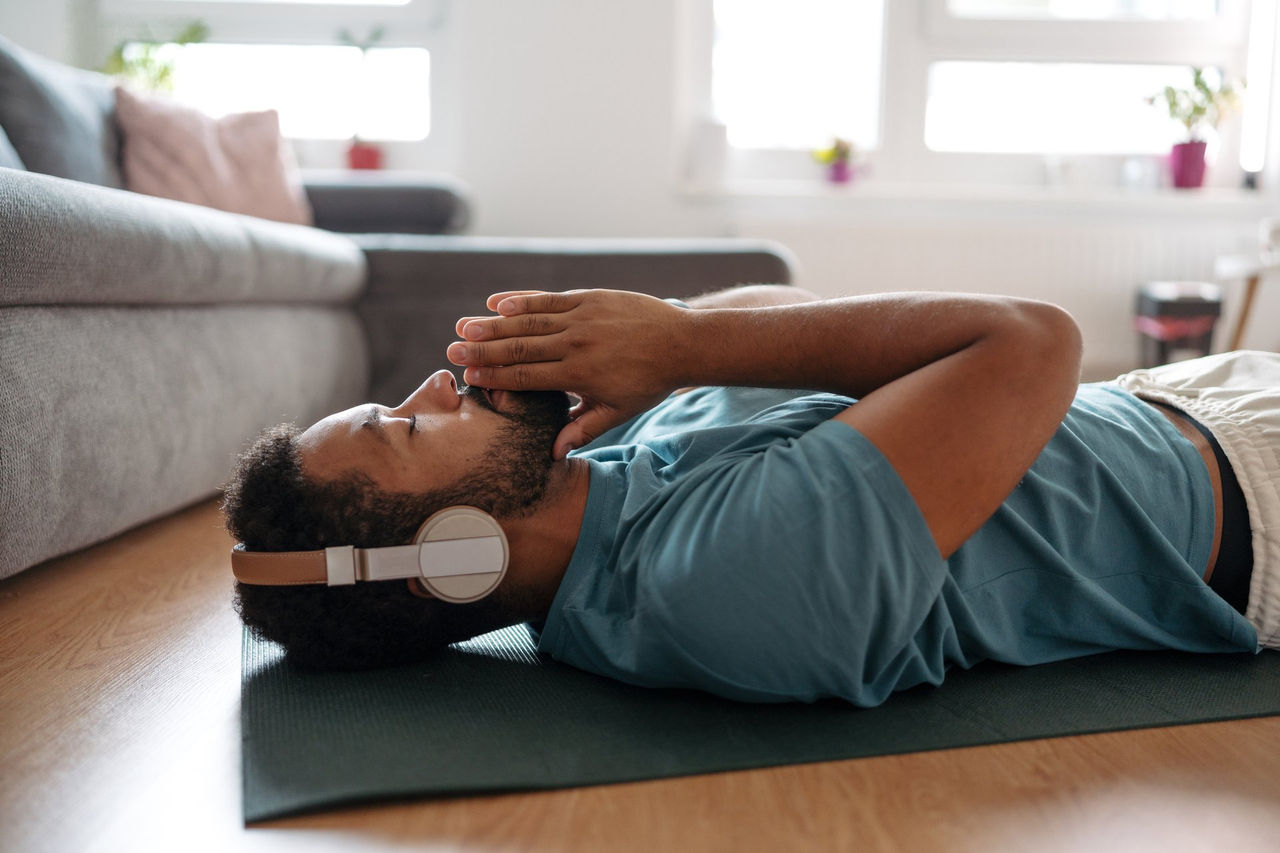
As mentioned above, your best bet for managing chronic anxiety—feelings of worry or panic that last longer than six months—is working with a healthcare provider to find the therapy or medication (or both) that will best help you individually. However, there are many great practices for relaxation and mindfulness that can help you manage your symptoms along the way.
Here are some ways to manage your anxiety through small, but meaningful daily practices: