Normal Worry or an Anxiety Disorder?
Understand the difference between everyday worry and when you may need help.

Understand the difference between everyday worry and when you may need help.
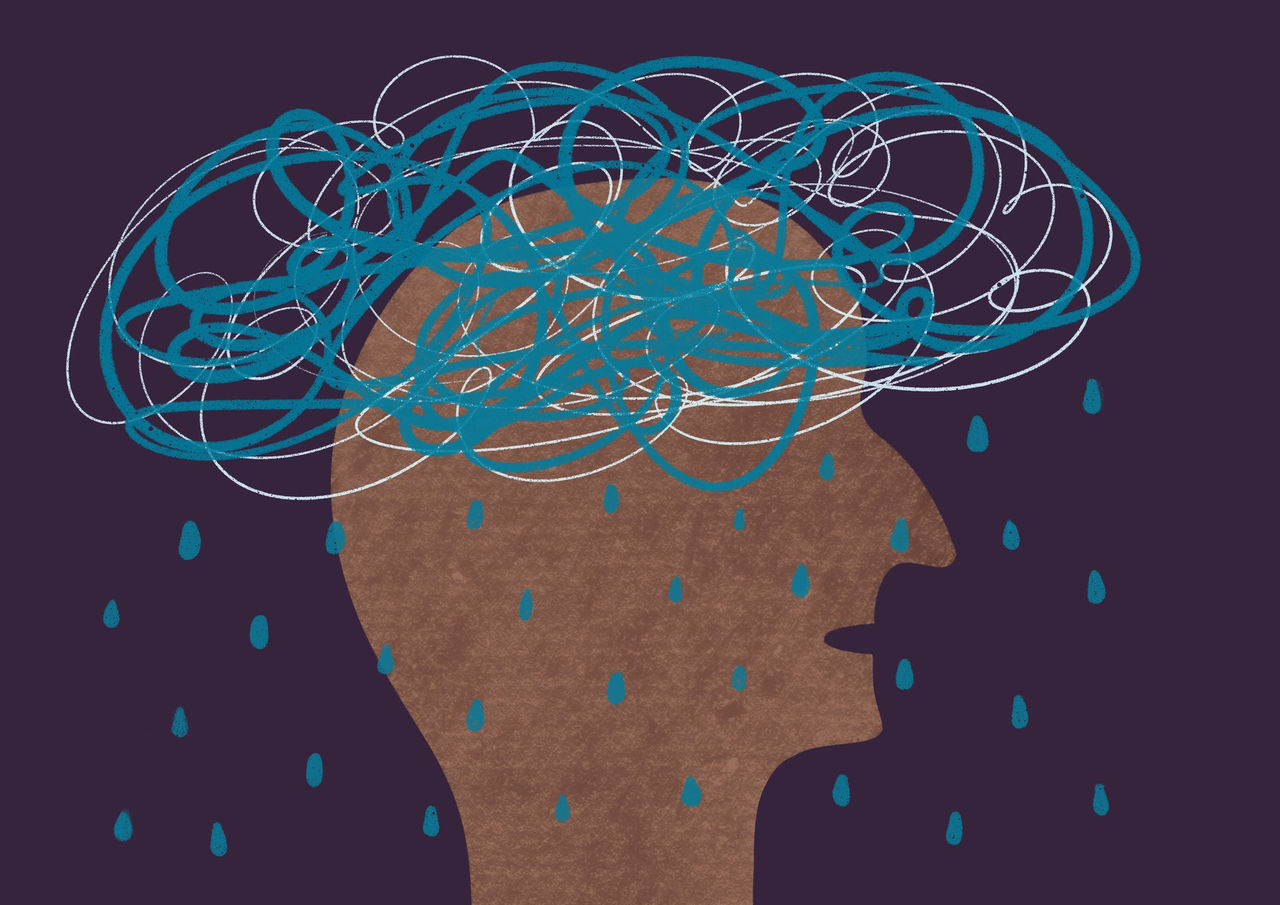
Today, many of us are navigating challenges that can naturally increase stress. Social media, constant updates, and a fast‑paced digital world can make it hard to step back and catch our breath. With news, opinions, and information coming at us quickly, it’s understandable to feel overwhelmed at times.
Emerging technologies—like artificial intelligence—can also add uncertainty, especially when it becomes harder to tell what is real online. All of this can contribute to increased worry or a general sense of unease.
For some people, these feelings pass with time or simple coping strategies. For others, they may linger and start to affect daily life.
Anxiety is a normal human emotion. It’s common to feel nervous before a big presentation, a job interview, or while waiting for important news. In fact, a certain level of anxiety can boost focus and performance in everyday situations.
An anxiety disorder, however, goes beyond typical worry. When anxious feelings become frequent, intense, or difficult to manage, they can interfere with daily routines and overall well‑being. The National Institute of Mental Health estimates that anxiety disorders affect about 40 million U.S. adults each year, though many do not seek treatment.
There are several types of anxiety disorders, including:
Some individuals may also experience agoraphobia, which involves avoiding certain places or situations due to fear of a panic episode.
People may notice a range of emotional and physical symptoms, such as:
Anxiety can affect your sleep, work, school, relationships, and enjoyment of daily activities. With time, untreated anxiety may also contribute to depression or unhealthy coping behaviors.
There is no single cause. Anxiety is influenced by many factors, including genetics, past experiences, and current life stressors. Sometimes the cause is clear—such as a traumatic event. Other times, it may be less obvious.
Certain medical conditions can also contribute, such as:
Women are diagnosed more often than men, and childhood trauma can increase risk later in life.
Because anxiety can be uncomfortable, many people look for quick relief, often beginning with a visit to their primary care provider. This is a helpful first step to rule out any underlying medical concerns.
When speaking with your provider, consider sharing:
If medical issues are ruled out, psychotherapy is often a very effective next step. With time and practice, therapeutic skills can help reduce symptoms, increase confidence, and restore a sense of balance.
If you’d like additional support, call 302‑320‑2100 to speak with a Behavioral Health expert or learn more about our programs.